Exploring the Scent and Multifunctional Benefits of Essential Oils in Candle Making
- latek1363
- Feb 3
- 3 min read
Essential oils have become a popular choice for candle makers who want to create more than just a source of light. These oils bring natural aromas and a range of benefits that transform ordinary candles into sensory experiences. Understanding how essential oils work in candles helps both hobbyists and professionals craft products that delight the senses and serve multiple purposes.

What Makes Essential Oils Ideal for Candle Making
Essential oils are concentrated extracts from plants, flowers, and herbs. Their strong, natural scents come from volatile compounds that evaporate easily, releasing fragrance into the air. When added to candle wax, these oils provide a pure and authentic aroma that synthetic fragrances often cannot match.
Natural origin: Extracted through steam distillation or cold pressing, essential oils retain the true scent of the source plant.
Variety of aromas: From calming lavender to invigorating eucalyptus, essential oils offer a wide palette for candle scents.
Therapeutic qualities: Many essential oils carry benefits such as relaxation, mood enhancement, or respiratory support, making candles more than just decorative.
The key to using essential oils in candles is balancing scent strength with burn quality. Too much oil can cause uneven burning or smoking, while too little may result in a weak fragrance.
How Essential Oils Influence Candle Aroma
The scent of a candle depends on how well the essential oil blends with the wax and how it disperses when the candle burns. Essential oils evaporate at different rates, so understanding their properties helps in creating a consistent aroma.
Top notes: These are the first scents you smell, usually light and fresh, like citrus or peppermint.
Middle notes: Also called heart notes, these form the main body of the fragrance, such as rosemary or geranium.
Base notes: These linger longest and provide depth, examples include sandalwood or patchouli.
Combining oils with complementary notes creates a balanced candle scent that evolves as it burns. For example, mixing lavender (middle note) with lemon (top note) and cedarwood (base note) results in a layered aroma that feels fresh and grounding.
Practical Uses of Essential Oil Candles Beyond Fragrance
Candles infused with essential oils offer more than pleasant smells. Their multifunctional benefits make them popular for wellness, ambiance, and even household uses.
Stress relief and relaxation: Scents like chamomile and ylang-ylang help reduce anxiety and promote calmness, ideal for meditation or bedtime routines.
Air purification: Oils such as tea tree and eucalyptus have antimicrobial properties that can help freshen indoor air.
Mood enhancement: Citrus oils like orange and grapefruit can uplift spirits and increase energy.
Insect repellent: Citronella and lemongrass oils in candles can deter mosquitoes naturally during outdoor gatherings.
These benefits depend on the quality and concentration of the essential oils used. When selecting oils, consider their intended effect and how they interact with the candle wax.
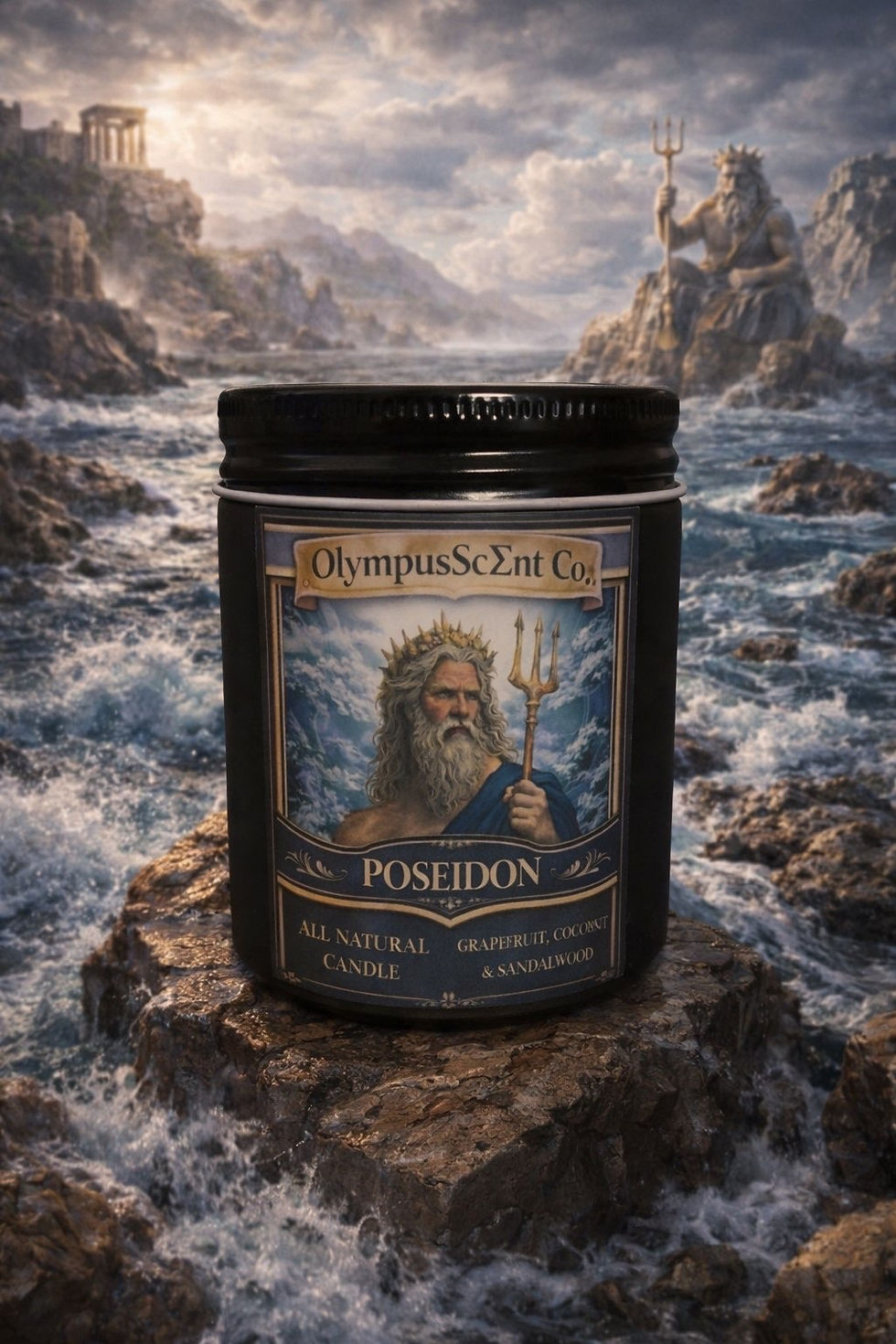
Tips for Using Essential Oils in Candle Making
To get the best results, candle makers should follow some practical guidelines when working with essential oils:
Choose the right wax: Soy wax and beeswax hold essential oils well and burn cleanly.
Add oils at the right temperature: Mixing oils when the wax cools to about 60-70°C preserves the scent.
Use recommended oil percentages: Typically, 6-10% essential oil by weight ensures a strong but safe fragrance.
Test burn candles: Always burn test to check scent throw and flame behavior before large batches.
Store candles properly: Keep candles away from direct sunlight and heat to maintain scent quality.
Experimenting with different oil blends and wax types can help find the perfect combination for each candle project.
Choosing Essential Oils for Specific Candle Experiences
Different essential oils suit different moods and settings. Here are some popular choices and their typical uses in candles:
Lavender: Calming, ideal for bedrooms and relaxation spaces.
Peppermint: Refreshing, good for workspaces or kitchens.
Cedarwood: Earthy and grounding, perfect for living rooms.
Lemon: Bright and clean, great for bathrooms or entryways.
Rosemary: Stimulating and clarifying, useful in study areas.
Combining oils can create unique scents tailored to personal preferences or seasonal themes.
Final Thoughts on Essential Oils in Candle Making
Essential oils bring natural fragrance and added benefits that elevate candle making beyond simple decoration. Their aromas create atmosphere, support wellbeing, and can even serve practical household functions. By understanding how to blend and use these oils properly, candle makers can craft products that appeal to the senses and enrich everyday life.
Comments